

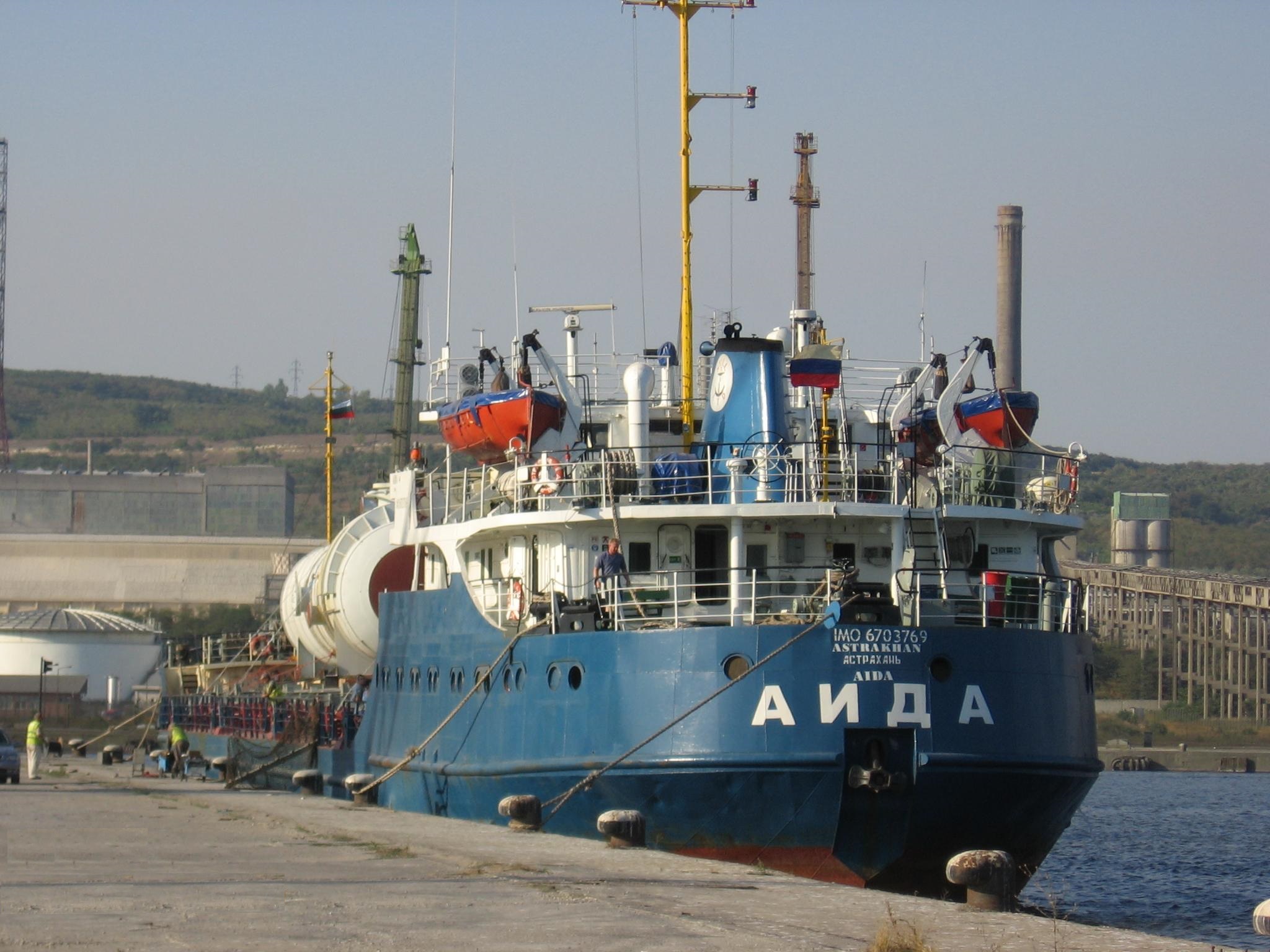
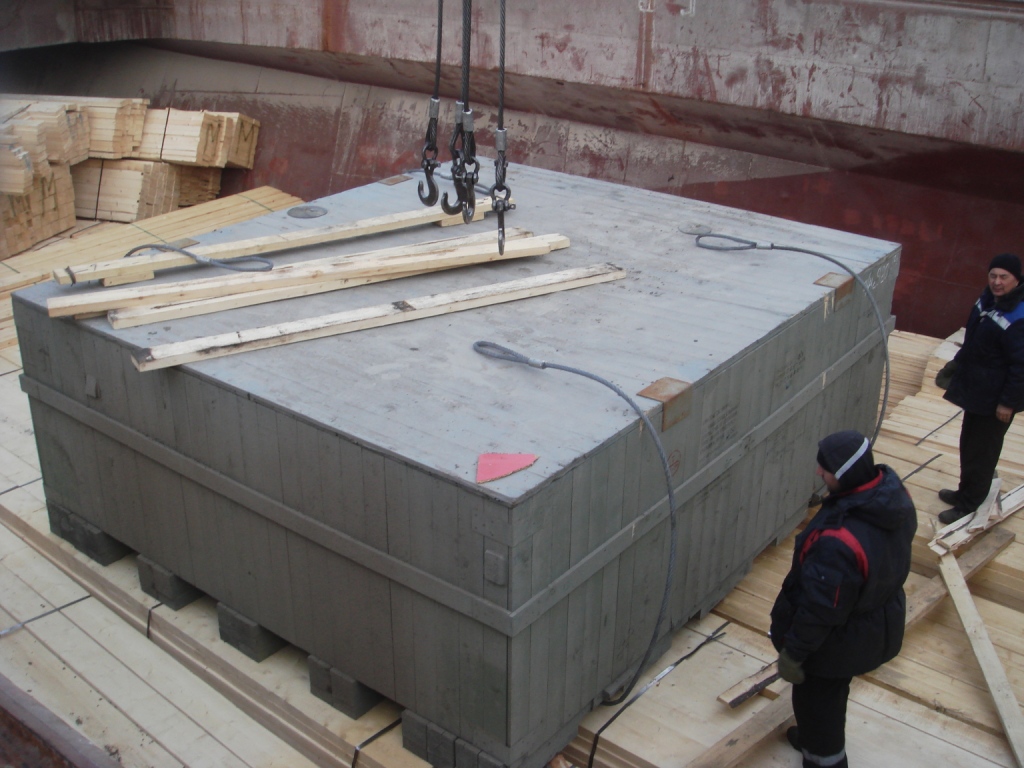
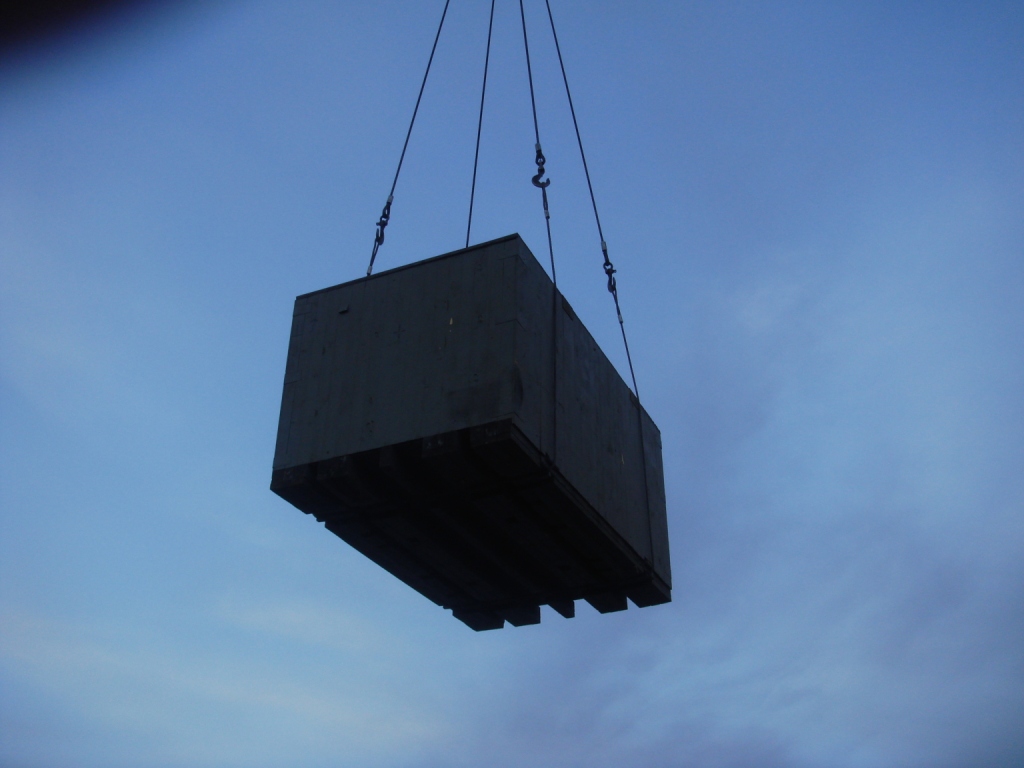
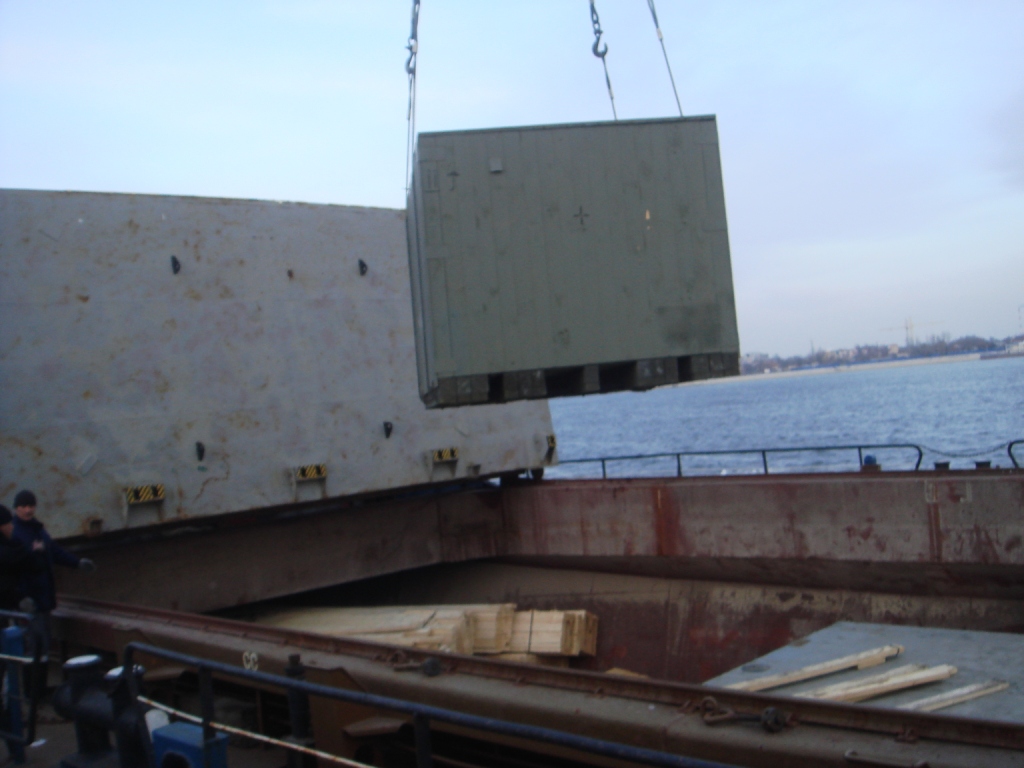
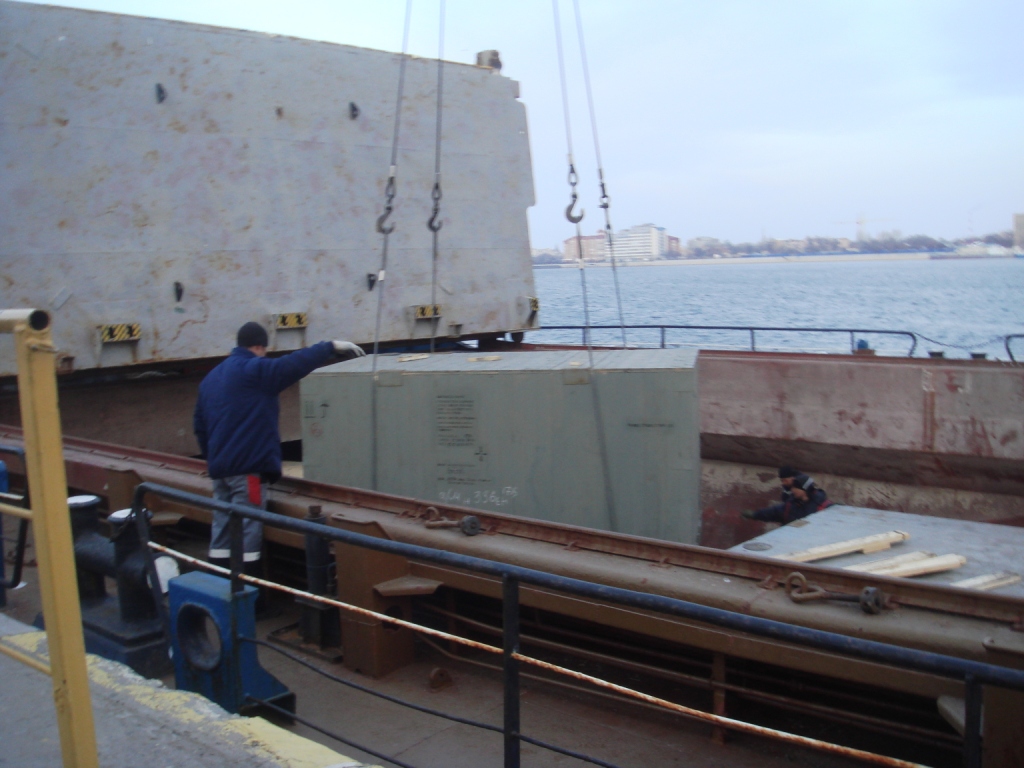
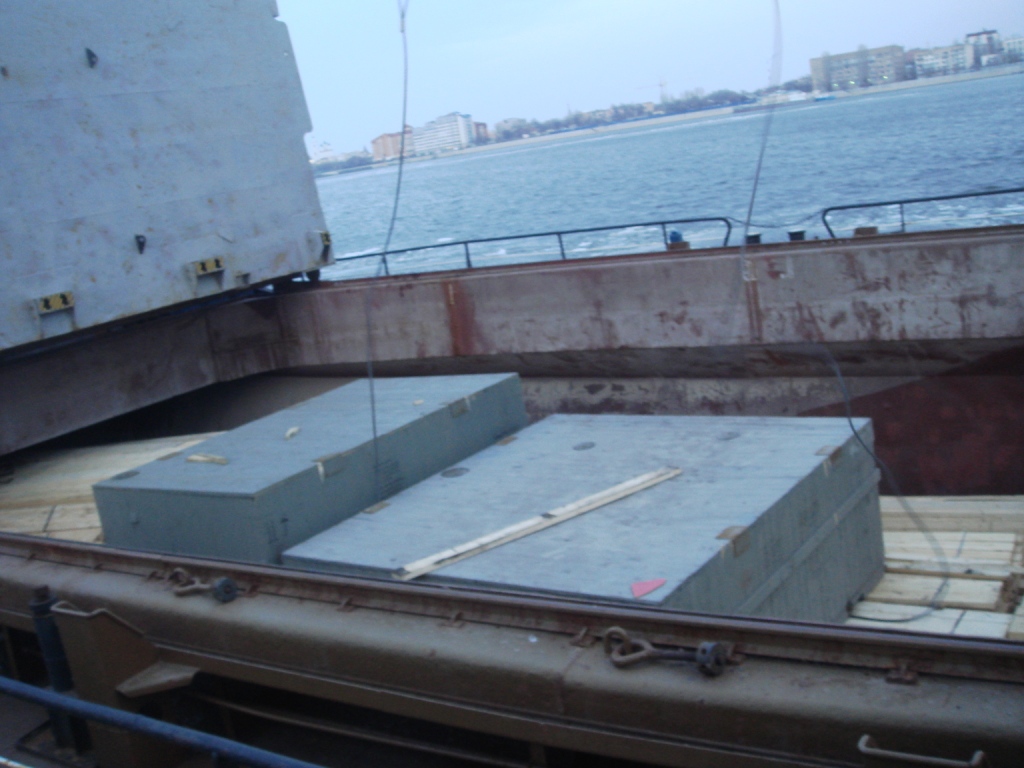
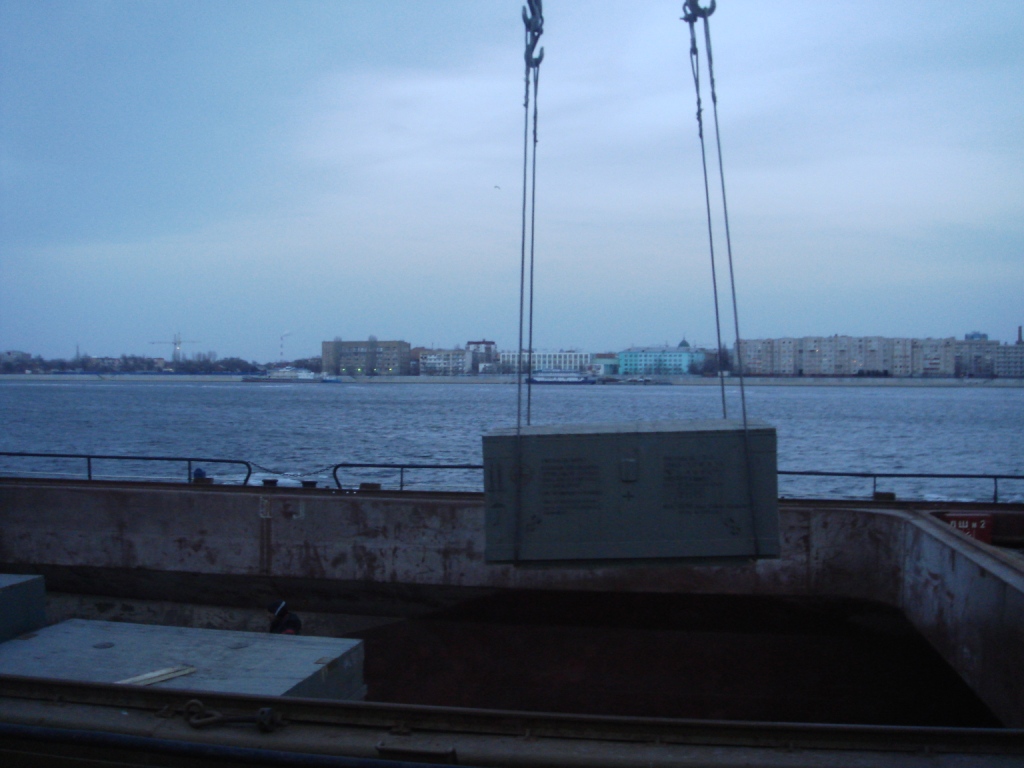
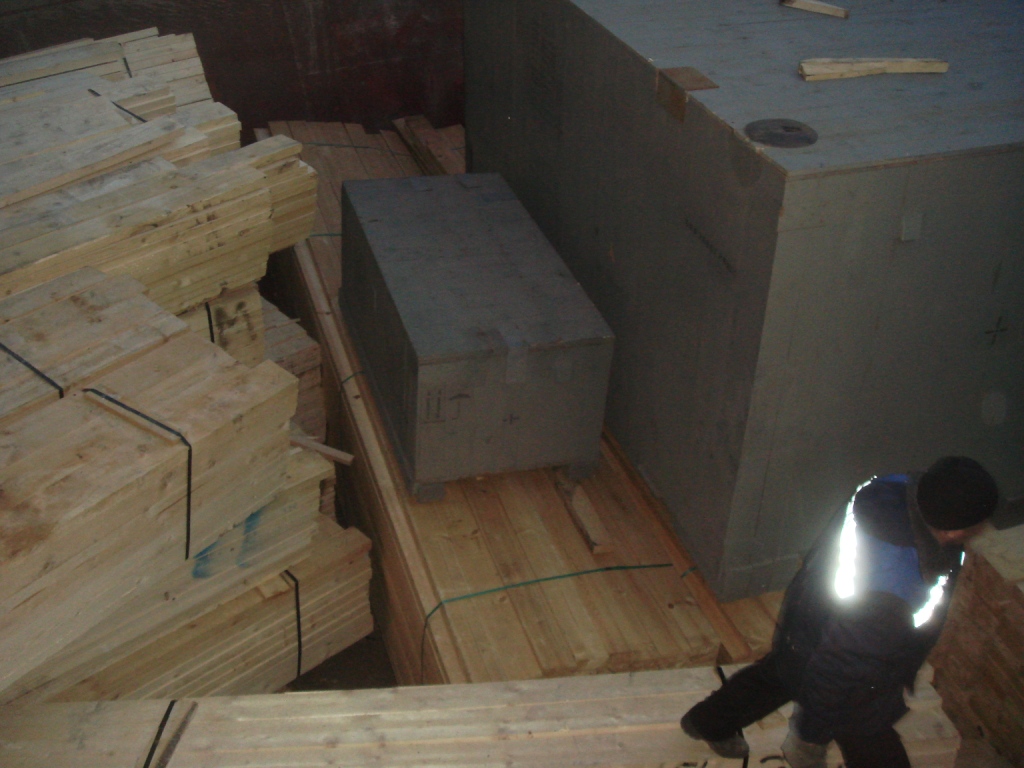
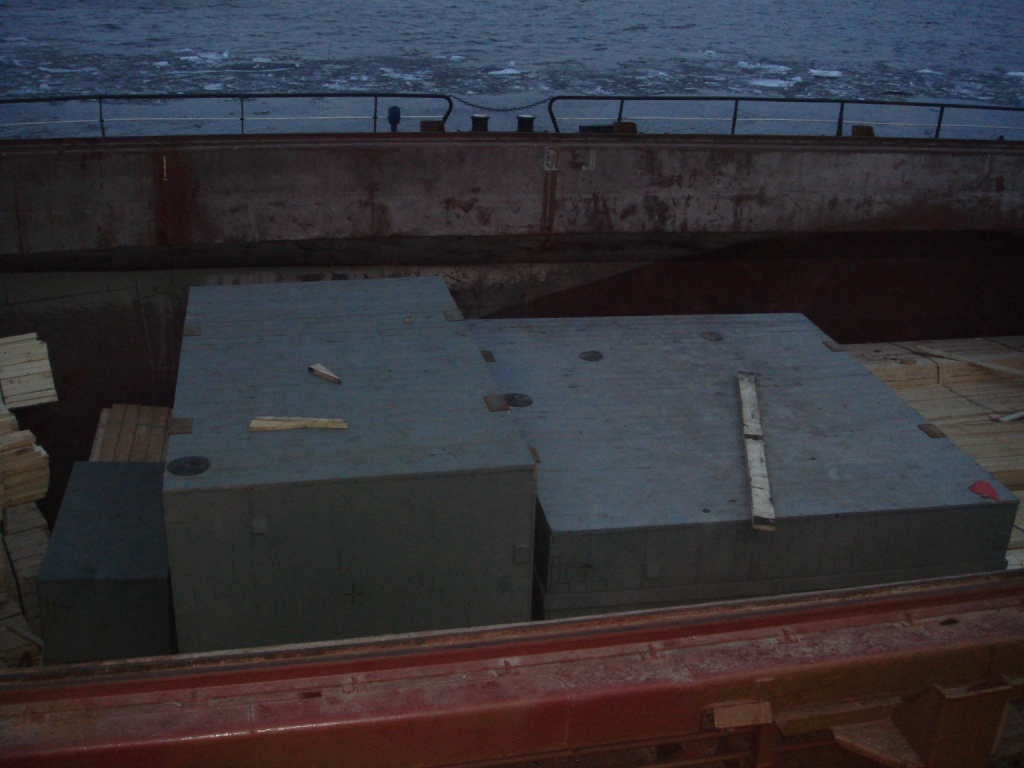
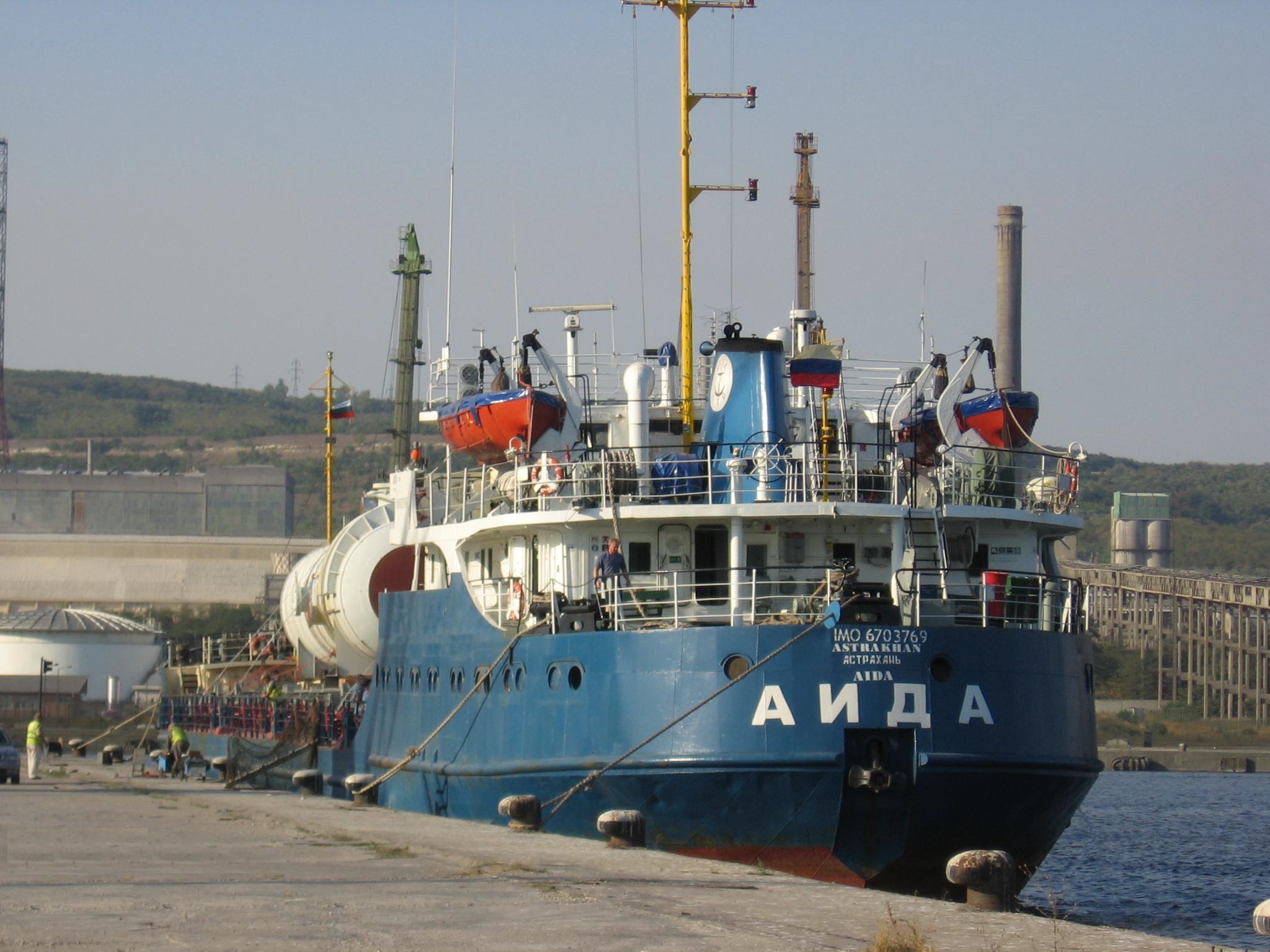
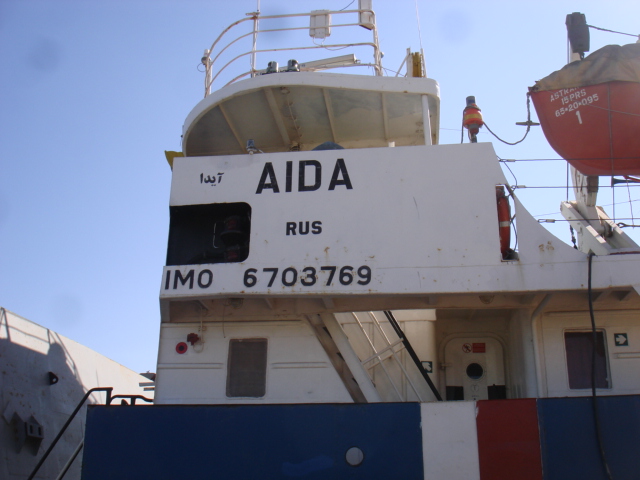
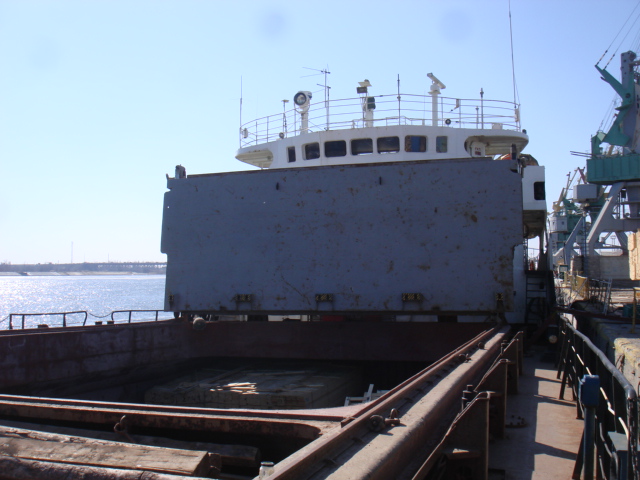
Shipment of the equipment from Russia to Iran.
Oversized equipment was packed in wooden box. Shipment from the factory Elecrtostal made by two special low loader trucks. The good was shipped to the port of Astrakhan, Russia, where it transshipped on board the sea vessel. The cargo was delivered to the port of Bandar-e Anzali (Bandar Anzali), Iran by vessel, where it was loaded on two trucks. Delivery of cargo to the consignee's warehouse in Isfahan, Iran was by road transport.
Other news
07/15/2016
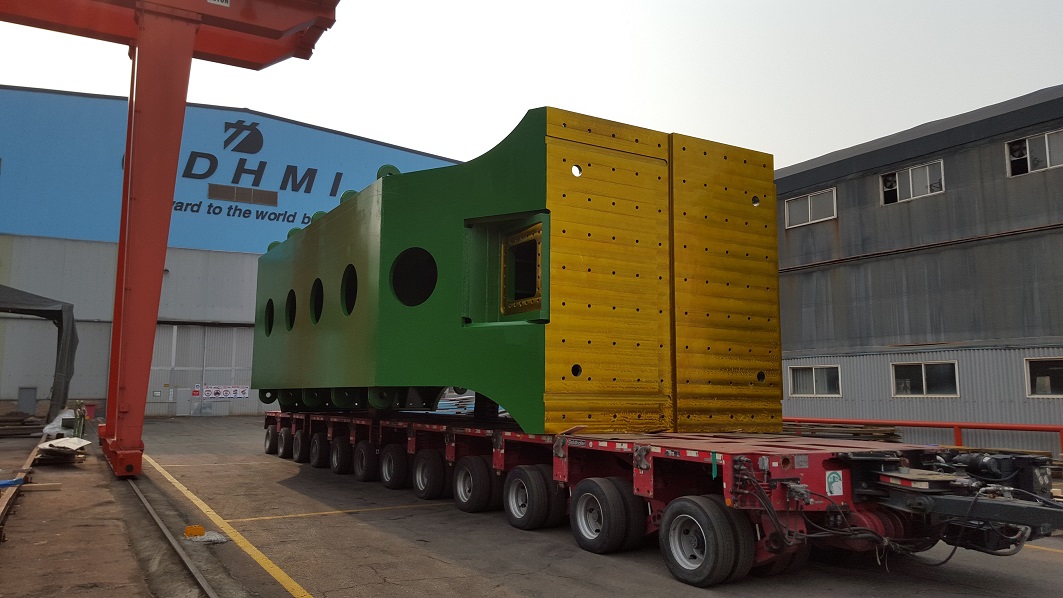
The project of BIMEX GROUP LLC for the transportation of overweight cargo (Complete automatic technological line оn manufacture and processing casing gas-oilwire, ргоfilеelectrowelded straight seems pipes with external diameter from 426 till 1420 mm, length 12050 mm, wall thickness 7,9…60mm, Х120) from South Korea to the Voronezh Region.
Bimex Group came up with some innovative solutions for this logistical challenge.
1. The main delivery was arranged from the South Korean ports of Busan, Masan, and Inchon where the cargo was divided into two parts. The large-scale cargos were shipped in dry-sea containers and the overweight cargo?(was) sent by bulk. It was impossible to transport the cargo by road due to the excessive size and weight of the cargo and the inadequate strength of Russian roads and bridges. Similarly, rail transport wasn’t possible due to size restrictions. So, it was decided to ship the cargo by the river Don to the town of Lisky, where it was unloaded onto a special wharf.
2. Initially, we considered a northern route, shipping the cargo to the port of St Petersburg, where it would be transferred to a barge, and later to a special road transporter. However, we realised that the northern route delayed delivery considerably because of the late opening the river navigation. An alternative southern route was considered, involving a transshipment into the transit port of the Black Sea and entered into the Don from the Azovsko-Donskoy channel. In addition, the navigation in the Upper Don is limited and unpredictable. Accordingly, we chose the Southern Route which allowed us to take advantage of the spring floods.
3. In order to minimize transport costs we chose a unique barge of the river-sea navigation class which both enables entry into any the Black Sea port, but also can go up the River Don all the way to Lisky. The loading capacity of the barge is more than 2000 tonnes, whilst having a minimum draft of only 60 cm.
Bimex Group came up with some innovative solutions for this logistical challenge.
1. The main delivery was arranged from the South Korean ports of Busan, Masan, and Inchon where the cargo was divided into two parts. The large-scale cargos were shipped in dry-sea containers and the overweight cargo?(was) sent by bulk. It was impossible to transport the cargo by road due to the excessive size and weight of the cargo and the inadequate strength of Russian roads and bridges. Similarly, rail transport wasn’t possible due to size restrictions. So, it was decided to ship the cargo by the river Don to the town of Lisky, where it was unloaded onto a special wharf.
2. Initially, we considered a northern route, shipping the cargo to the port of St Petersburg, where it would be transferred to a barge, and later to a special road transporter. However, we realised that the northern route delayed delivery considerably because of the late opening the river navigation. An alternative southern route was considered, involving a transshipment into the transit port of the Black Sea and entered into the Don from the Azovsko-Donskoy channel. In addition, the navigation in the Upper Don is limited and unpredictable. Accordingly, we chose the Southern Route which allowed us to take advantage of the spring floods.
3. In order to minimize transport costs we chose a unique barge of the river-sea navigation class which both enables entry into any the Black Sea port, but also can go up the River Don all the way to Lisky. The loading capacity of the barge is more than 2000 tonnes, whilst having a minimum draft of only 60 cm.
09/15/2015
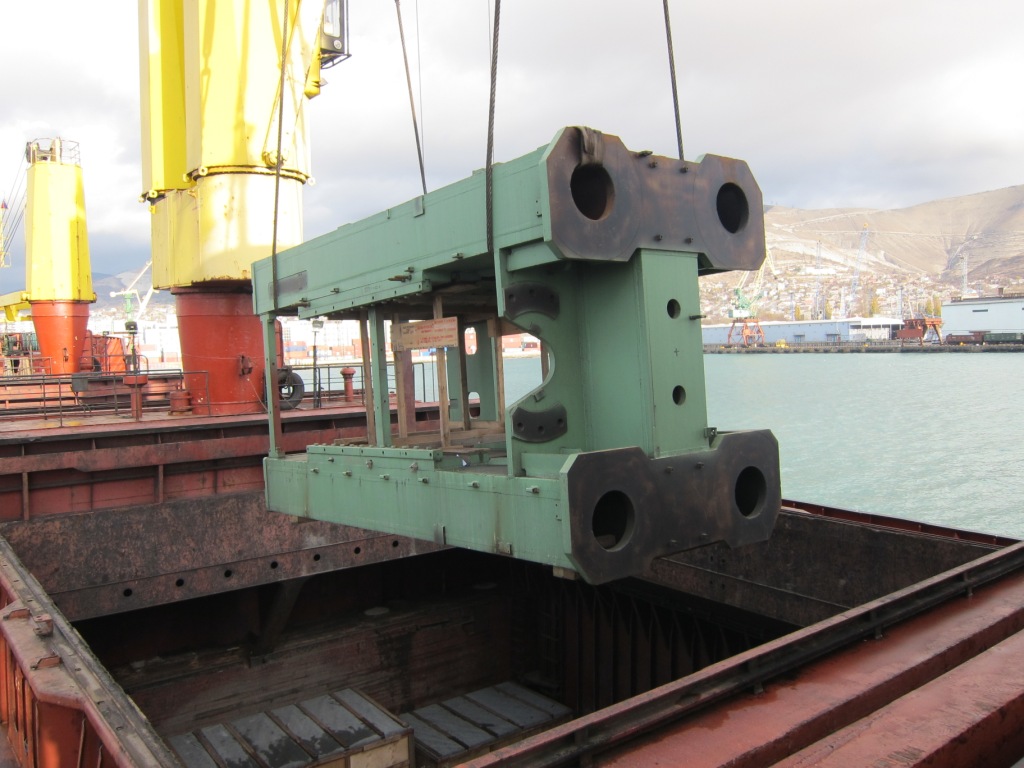
Delivery of cargo from Voronezh to port Novorossiysk was realized by rail in several stages. Overall items packed in wooden cases were shipped in railroad open wagons and flat wagon, and heavy and oversized parts of press were shipped on the special railroad transporters. Accumulation of goods in port Novorossiysk took one month. Storage and transshipment of cargo were made directly on the terminal NCSP (PJSC «Novorossiysk Commercial Sea port»). Loading of heavy items was made with help of two 100-tons port cranes. For sea transportation were chartered two vessels: for the 1st part of cargo – heavy-lift vessel, for the 2nd – standard bulk vessel. After vessels arrived to port Tianjin (China) unloading of the cargo was realized directly on the consignee’s trucks, heavy-lift vessel was unloaded with its own cranes, and unloading of another vessel was realized by floating crane.
08/01/2015
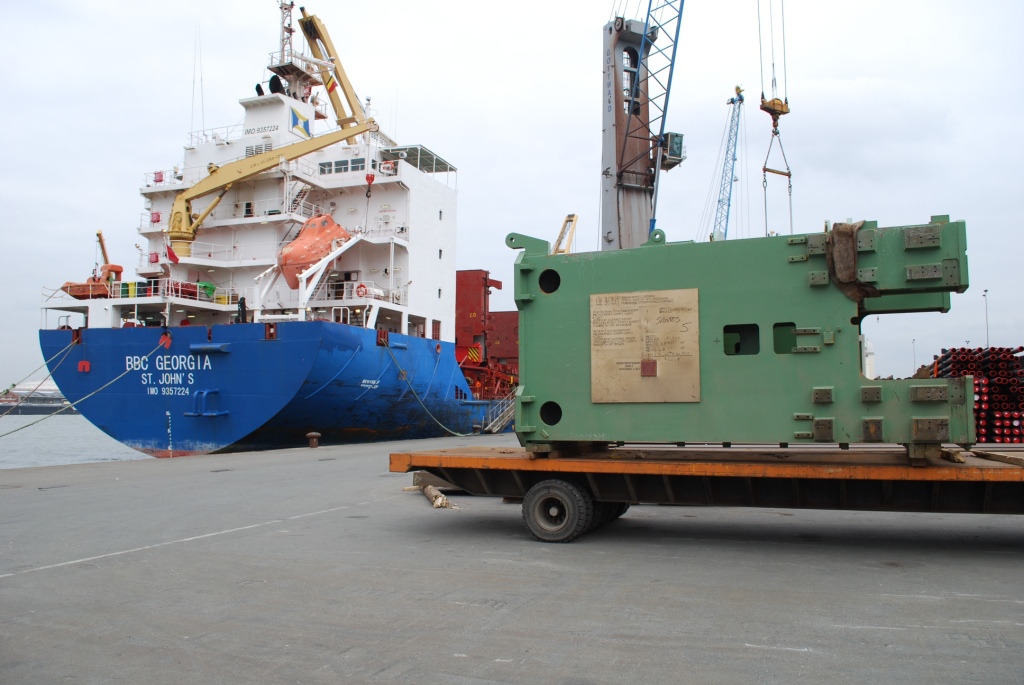
Shipment of goods from the factory in Voronezh was carried by road, where the normal positions were loaded into standard trucks, and oversized for special low-bed trucks. The road transportation was carried out to the port of St. Petersburg, where the cargo was directly unloaded from the trucks on roll-trailers. The sea freight from the port of St. Petersburg, Russia to the port of Antwerp, Belgium, was accomplished by a linear "ro-ro" service. To send two shipments from the port of Antwerp, Belgium were chartered two conventional vessels, one to India, both to Brazil.
12/19/2005
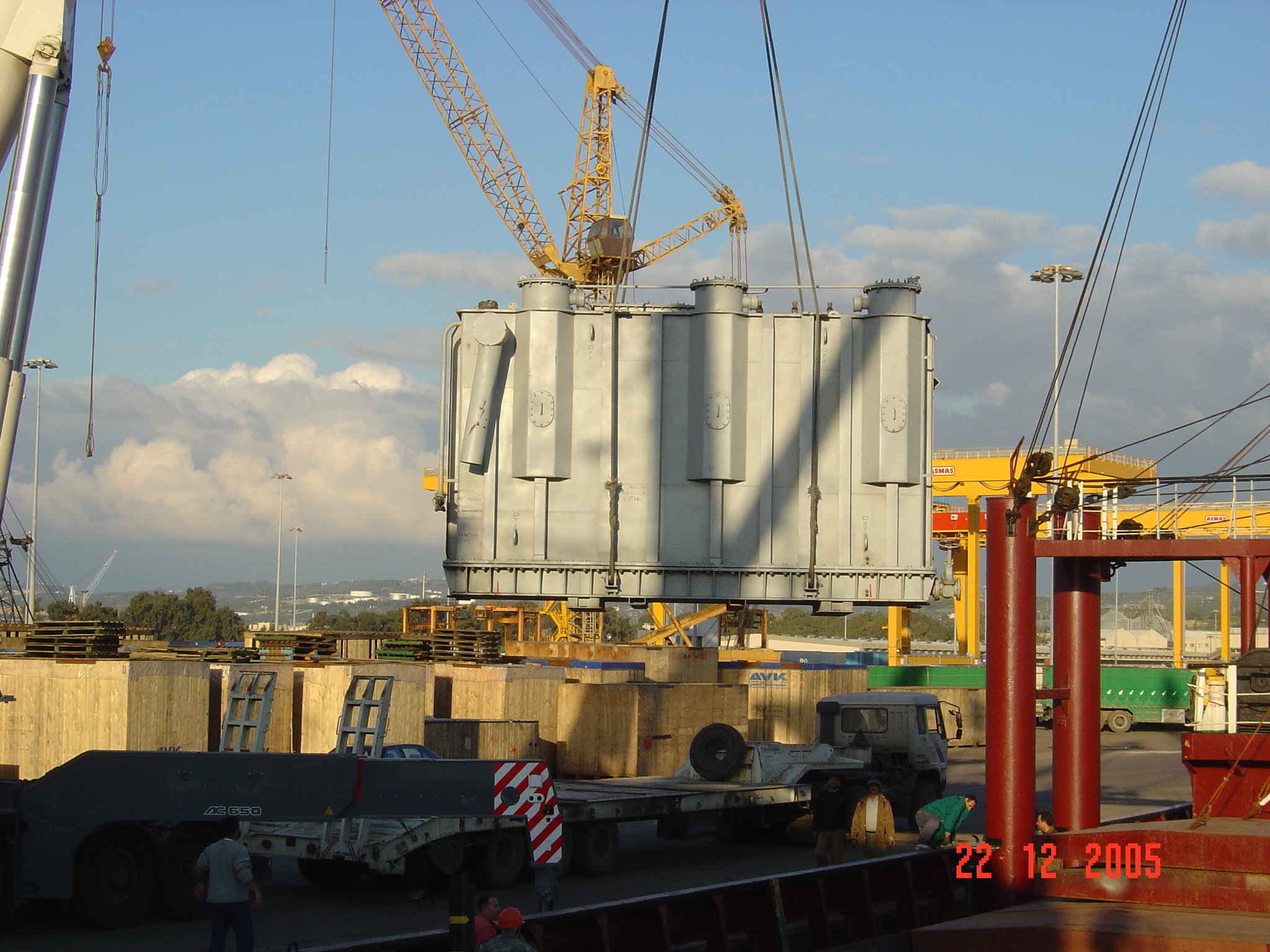
Sending goods from the factory in Yekaterinburg by railway transport, including the big transformer, weighing 90 tons. Transshipment of cargo at the port of Novorossiysk (Russia) on a ship with the subsequent delivery to the port of Tartus (Syria). Transshipment of cargo at the port of Tartous using a wheeled mobile crane with load capacity up to 300 tons. Cargo delivery to the installation site on the Euphrates Dam and unloading on site using a mobile crane. Consignee - The General Organization Euphrates Dam.
